
Digestive Bitters: Digestif or Aperitif? Why not both?
(With Recipes)
April 29, 2026
INTRODUCTION
Both aperitif and digestif are traditionally consumed to aid in digestion. So what’s the difference? I had a vague idea, but until I got into herbalism, I never really paid that much attention. And as it turns out, I had a trip to Italy that would provide some pretty good examples of both. That trip started with a flight into Naples and short ride from there down to sunny Sorrento and the fabulous Amalfi coast!
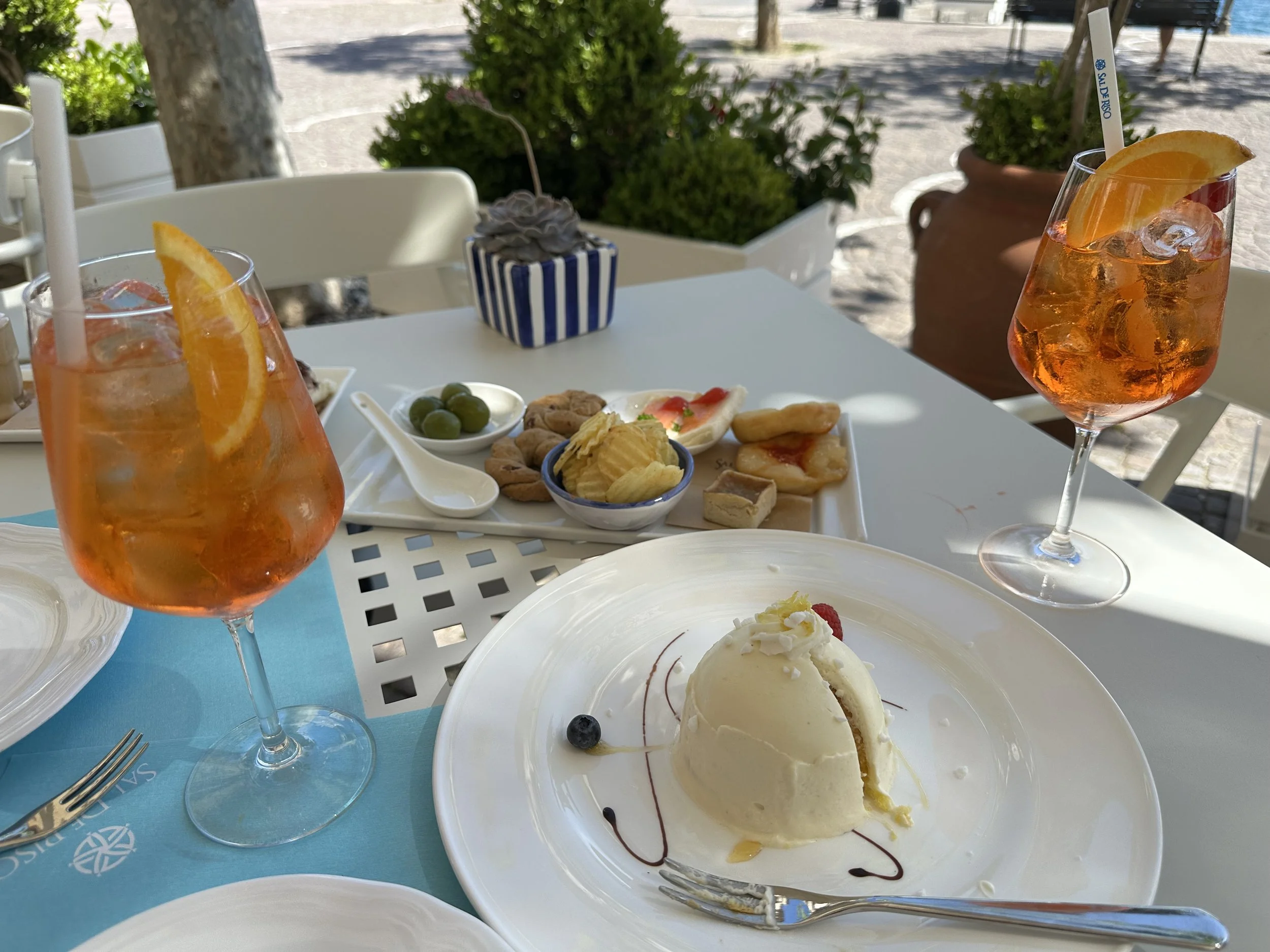
When in Amalfi…a visit to Cafe Sal di Riso in Minori for an Aperol spritz and sampling their desserts, is a must. We had the lemon delight and the best tiramisu in Italy.
The Amalfi coast had been on my bucket list for probably 20 years. It was the famous holiday escape of movie stars. I didn’t need social media to help plan this stop, but I definitely saw the traveler photos of a narrow winding road along a dramatic coastline, and tourist selfies of eating lemon gelato out of a giant lemon. They really are that big. We would do all the things.
The first day was for exploring Amalfi town and the amazing Cathedral. On the second day we bussed up to Ravello, to explore the immaculate gardens and breathtaking views high above the coast. We had lunch in a garden cafe, and the plan was to walk all the way down the hill to the small town of Minori. About a 45 minute trek. In early May, Minori was still fairly sleepy. The main attraction there is the Pastisseria, Sal de Riso. Yes, one cafe across the street from the beach with a view of the water, and not much else there to write home about, but it is well worth the visit. We had just ate lunch, and now was dessert. In Italy, you are always eating..good food! But first, and especially in a setting like this, you must have an aperitif! So we both ordered the Aperol spritz. The definition of an aperitif is something that stimulates the appetite. This includes a bitter drink like Aperol. The bitter flavor activates taste receptors, which then signal to your brain to stimulate the digestive system. Bitters help you break down food more efficiently, leading to better nutrient absorption and reduced digestive discomfort[1].
The drinks also came with some small bites on the house. In Italy, if you ask for a recommendation for an Aperitif, which sounds very similar to the Italian word, Aperitivo, you may get recommendations for both drink and food, and the purpose of both are to prepare your stomach to eat a bigger meal. Aperitivo, is typically enjoyed late afternoon to early evening, similar to happy hour. In this case, it had only been about 45 minutes since we’d had lunch but that Aperol and snacks were doing their magic and we were ready for dessert. The specialty of the house is the lemon delight cake, and it was amazing. We made a point during this trip to try the tiramisu every place we ate dinner out, but this one remained the best!
In Sorrento, we sampled the region’s most famous digestif, lemoncello. We were able to visit two lemoncello producers, whose grounds were an urban oasis. If you travel to Sorrento, visiting I Giardini di Cataldo and Vivaio Ruoppo Lemon Farm is a must. The drinks were delicious, but my favorite thing about these places were their gardens. One had an outdoor production area that looked like my dream for a garden apothecary.
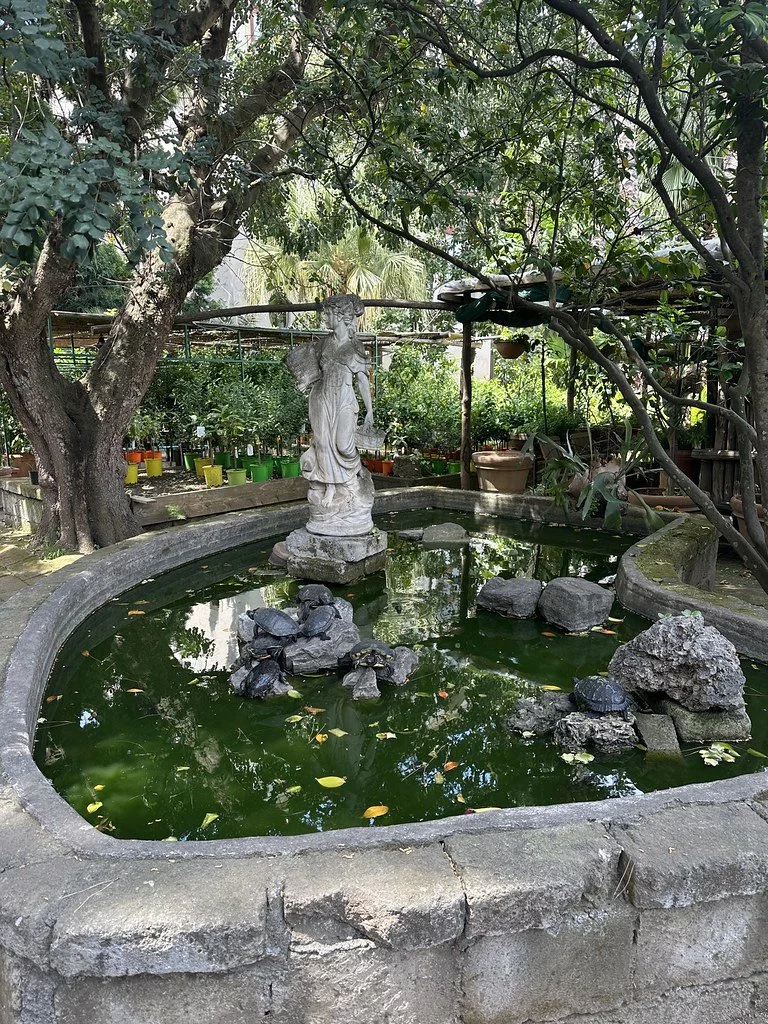

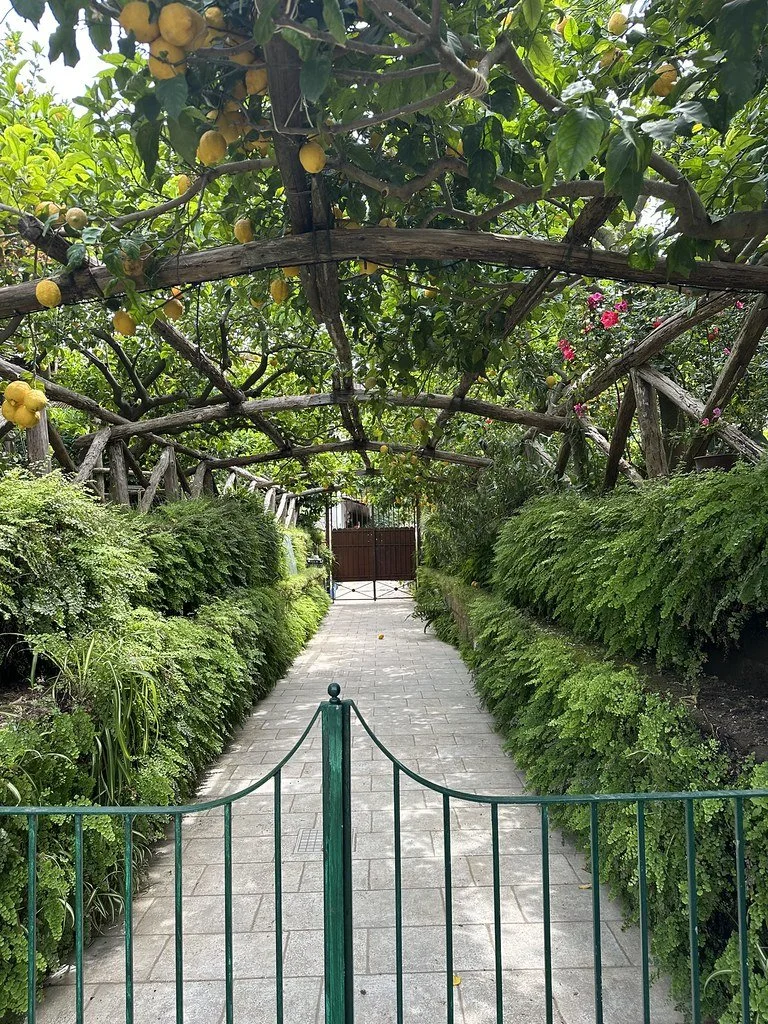
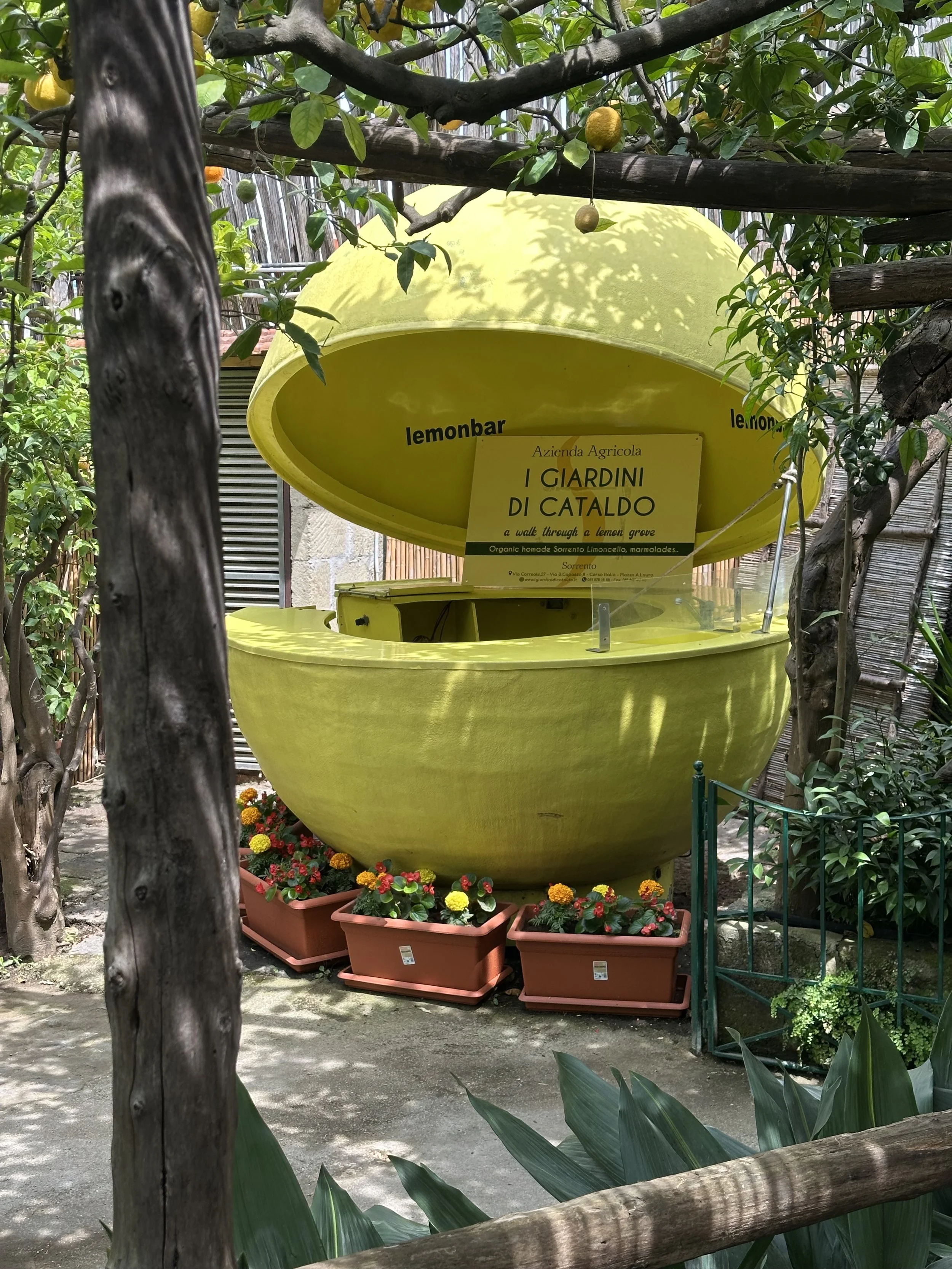
After 5 nights enjoying the beautiful Campania coast we grabbed a rental car and headed up to Umbria…
Later that week we made a day trip to the mountain town of Norcia, where there seemed to be a norcineria on every corner and truffle products in almost every store we went into. The town was still recovering from a devastating earthquake in 2016. Considering the amount of re-construction going on, it was a lovely place to visit, and would love to come back and stay some day. When we headed back to our car, there were a number of merchants set up in a row of small concessions next to the parking lot. One of the shop keeper ladies offered us a tasting of the popular truffle liquor. We were not getting out of that town without sampling Amaro al Tartufo, and we were sold!
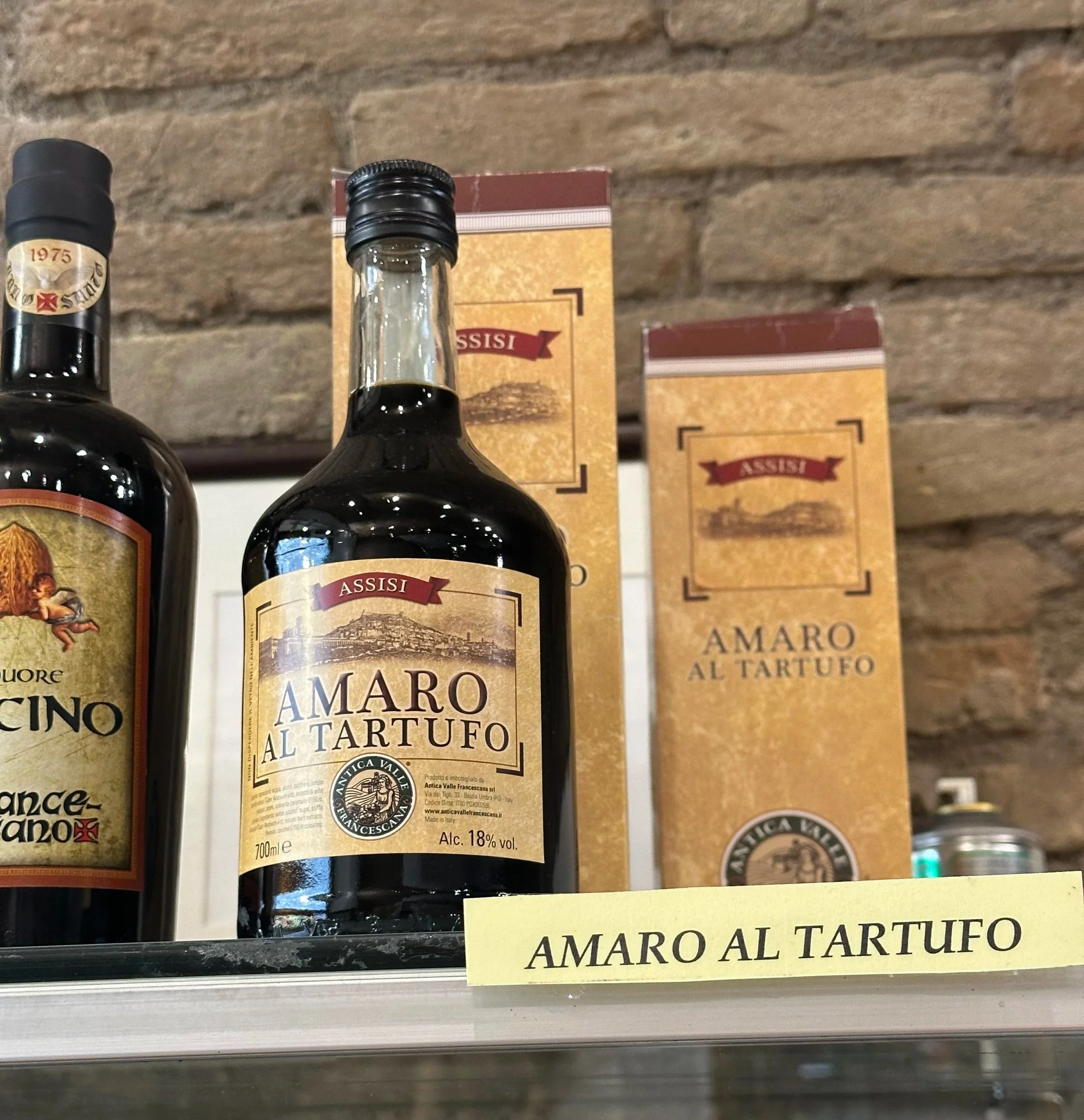
My first sighting of Amaro al Tartufo, that’s Black Truffle Amaro, was in Assisi, Umbria. A delicious digestif you will want to slowly savor.
Amaro means “bitter” in Italian, but like the lemoncello we sampled earlier in the trip, this amaro was pretty sweet. So what makes this help with digestion, if it’s not bitter? I didn’t realize these drinks were doing completely different jobs for my body—one waking me up, one settling me down. The digestif if meant to be sipped and enjoyed slowly to help relax you and sooth your gut. The distinction between aperitif and digestif isn’t just taste—it’s intentionality and tradition. Now, alcohol is not necessarily the best thing for getting a good night sleep, so its probably best to chose one with a lower alcohol content… Unless, of course, you are on vacation. Then you sample whatever the locals recommend! Salute!
We ended up buying a bottle to bring home and enjoy, and soon I was searching for recipes to make my own amaro and digestive bitters. Below are a couple recipes I have tried out so far.
Recipe 1: Homemade Gentian Bitters
This is a modified version of a historical gentian bitters recipe I found online. You can modify it to fit your tastes, desired herbal benefits, and what you have available.
Ingredients:
400 ml Brandy
1/2 cup gentian root, dried and diced, not ground about 1.3 oz, or 38 g
7 g of orange peel/zest
3 Cinnamon sticks
1 tsp Ginger
8 Green Cardamom Pods
4 whole Cloves
1 tbsp fenugreek
2 sprigs fresh rosemary
Small handful of Fresh Mint from the garden (regular and chocolate varieties used)
Mix all ingredients together in a mason jar, store in a cool dark place and shake daily. Taste test weekly and adjust flavors as desired. Let infuse for one month. Once flavors have developed as desired, strain the mixture and store in a cool dark place. To serve, add 1 tablespoon of the bitters to sparkling water of your choice, on the rocks. Garnish with fresh mint or citrus slices.
I went with more gentian than many recipes called for so you may want to start with less and add more as. you go. The first time I made this, it was removed after 2 weeks. With all the warm spices and citrus, this is a great recipe for a holiday version of your bitters. Be careful with the cinnamon, it can easily overpower the other ingredients. Luckily, if you use whole sticks they are easy to remove, leaving the other herbs continue to steep.
Recipe 2: Healing Bitters
The herbs used for my second version of digestive bitters included: Gentian, marshmallow root, German chamomile, coriander, dehydrated orange slices, Saffron, Ginger, and Fenugreek. Same procedure for steeping as the first. Pairs perfectly with sunflower La Croix on ice.
My goal for this recipe was to help heal and reduce inflammation of the gut. I have a long list of mild food sensitivities that like to creep up on me until I’m feeling sluggish and uncomforable. Marshmallow root contains mucilage to help sooth the lining of the gut, chamomile is another bitter herb that also has calming and detoxifying properties. Saffron is high in antioxidants and adds complexity to the flavor. Ginger helps with discomfort and bloating. Fenugreek adds a maple syrup flavor and adds the benefits of soluble fiber and a variety of vitamins and minerals. I created both an alcohol based version using organic vodka and a non-alcoholic version using food-grade vegetable glycerin. I found the vodka version to be too harsh even when mixing with sparkling water, but 50/50 vodka/glycerin mixed with La Croix on ice was just right. The full NA version was delightful as well.
One tip: Glycerine is sweet, so you can be more generous with your bitter herbs and still be palatable. A definite plus when testing out recipes!
Recipe 3: Springtime NA Bitters
Gentian, lemongrass, fenugreek, star anise, mint, green cardamom and lime leaf. This time I only did an NA bitters recipe. I don’t really care for vodka and was out of brandy, plus it’s good to take an occasional break from alcohol, but still be able to mix up a refreshing drink. At this point, I stopped measuring out all the herbs because I was more focused on complexity and balance of flavors. It ended up being milder than previous bitters recipes but I may just be getting more accustomed to bitter flavors.
I’m now on the search for more amaro and artisan bitters to try out. I will be keeping an eye out for names like Genziana, Centerba and Amaro Salento, just a hint at what regions I will be exploring next…stay tuned!

The tiramisu (top right) from Sal di Riso, was creative and delicious.
