
Getting started with a home apothecary
Reflecting back on my journey getting started in herbalism and building my home apothecary, there was so much to learn and I was taking it all in but not really having a focus. I just dove in, and I’d figure it out as I went along. This wasn’t my usual style or way of approaching things. With herbalism and natural wellness it is hard to know where to start, so I figure I’ll share my journey here and maybe you can relate.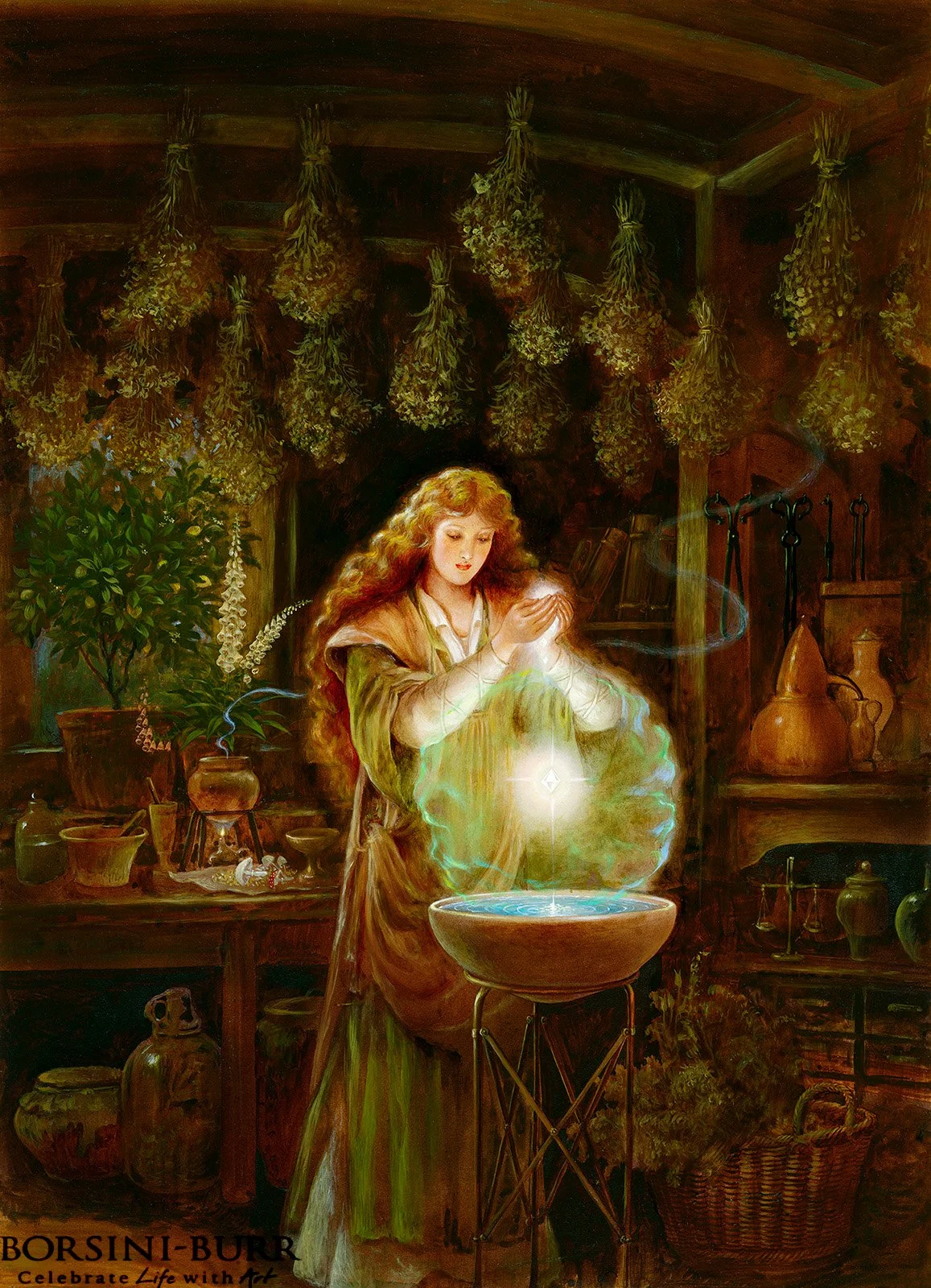
Scent of Magic, painting by Kinuko Y. Craft
A fantastical dream of what my home apothecary would look like. In reality it is much different. It’s good to have goals though, right?
Getting inspired
What inspired me to start my home herbal apothecary?
While traveling to visit my in-laws in the Monterey area, I visited a new apothecary shop. A local my husband and I met earlier in the day, recommended a couple new shops to check out in Carmel, where we were staying. One of those shops was an apothecary. “She’s doing some good things there” we were told, and had to go check it out. At the shop we asked for some recommendations on herbs for low energy. Ashwaghanda tincture for him, and damiana tincture for her, was the recommendation. I sampled and purchased them both. I felt a difference in both mood and energy levels. I was convinced of the herbs’ benefits and would adjust the dose as needed, taking only when needed. I can see why damiana is considered an aphrodisiac and didn’t want to misuse it.I was so intrigued by the effects of these herbs. I had to dig deeper and started ordering books on herbalism soon after arriving back home. I found Rosemary Gladstar’s podcast, Voice of our Herbal Elders. I signed up for a free herbalism conference with Herbal Academy. I learned about herbs and botanical ingredients I had never heard of before. I kept going. I learned about herbal actions, from adaptogens and nervines to demulcent and vulnerary. I researched herbs that might be able to help with everything from colds and allergies to digestion issues and menstrual cramps…and whatever the ailment, there seemed to be an herbal remedy or a “plant ally” that could help. It was time to build my apothecary.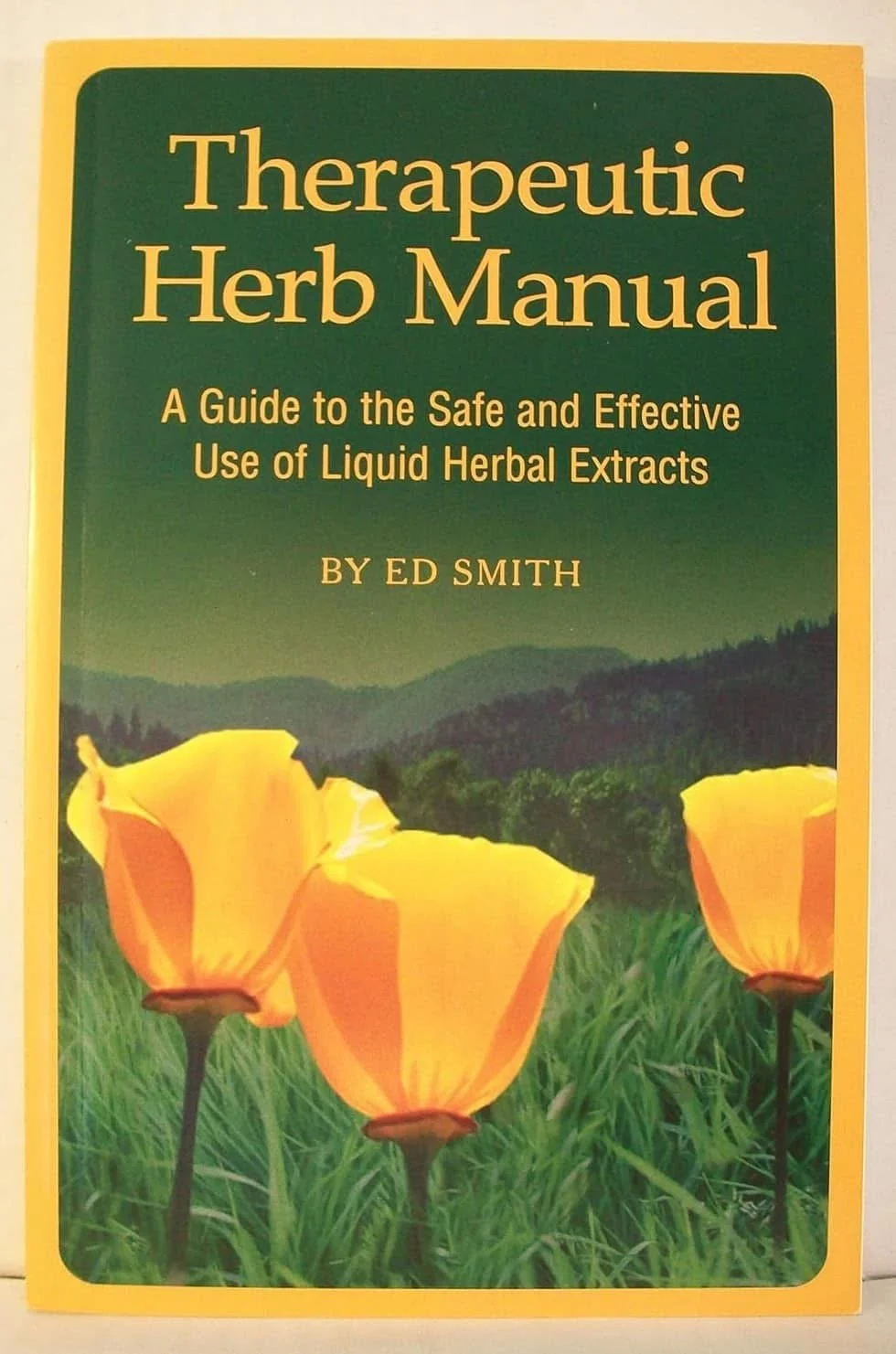
Getting started
Where to start first with creating a home apothecary?
With a love of gardening and decades of gardening experience - my first thought was, I’ll grow my own medicinal herbs. Sourced from my own back yard, and grown from seed using a seed supplier I had researched, it was appealing in that it was a way I could also be self-reliant. Of course, I couldn’t realistically grow every medicinal herb I was learning about, and wanted to leave room for veggies and flowers in my garden too. I selected a few that interested me most and finally settled on calendula, yarrow, echinacea, valerian and skullcap. In addition, I already had a few medicinal herbs in my garden like lavender, lemon balm, mint and other culinary herbs and flowers, many of which, also have medicinal properties. There were also a couple that I tried to grow, but unfortunately, didn’t survive long enough to harvest. I attempted a few larger medicinal plants including elderberry and willow. The elderberry seeds never sprouted and the willow is currently struggling to come back after an infestation last fall, but I’m rooting for it. Pun intended. What I didn’t grow in my garden, I sourced online. I purchased herbs from Mountain Rose Herbs, and found a few others on Amazon, making sure that they were listed as organic. I cleared out space on one shelf in the kitchen and ordered some small jars to put my medicinal herbs in. That space quickly filled up, so I expanded to another shelf in our small pantry, for the bulk bags of herbs and other ingredients that would be used in crafting herbal remedies like oils, gylcerine, and apple cider vinegar. We installed new shelving in the garage and I quickly filled one or two shelves with jars, bottles, dispensers and a couple new kitchen tools too. Crafting time
What are my trusted resources for ingredients and reference manuals?
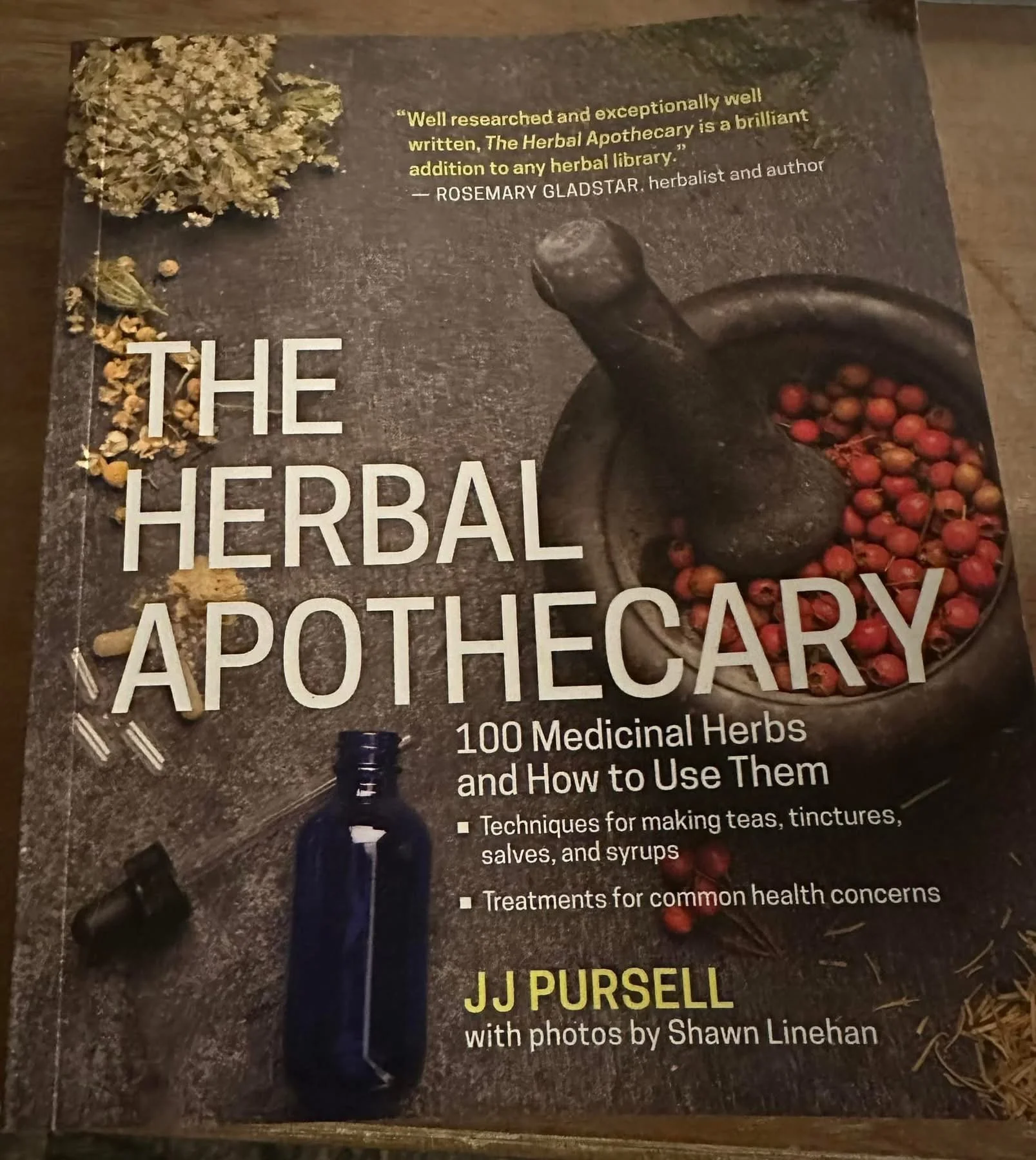
Crafting the herbal remedies became an outlet for creativity. While you could take one herb and infuse it in oil or extract it in an alcohol based tincture, I learned that herbs had a way of working together and that pairing certain herbs together could enhance their medicinal benefits. Many of the reference books I purchased had recipes with upwards of five different herbs. I’m still learning and trying out different herb blends. By the end of the first year, I was making tinctures, syrups, tea blends and decotations, hydrosols, salves and balms. One of the reference manuals I found particularly useful for crafting the herbal remedies is The Herbal Medicine-Maker’s Handbook by James Green. His instructions for making herbal medicines provide multiple methods for making various forms of medicine and you match the method to your equipment on hand, and how much time you want to spend making it. I can’t stress enough the importance of having at least a few good reference books. If the recipe doesn’t turn out, you’ve just wasted time and money, and the ingredients are not always that easy to come by. Go to your trusted books and manuals for insight before the internet, please! 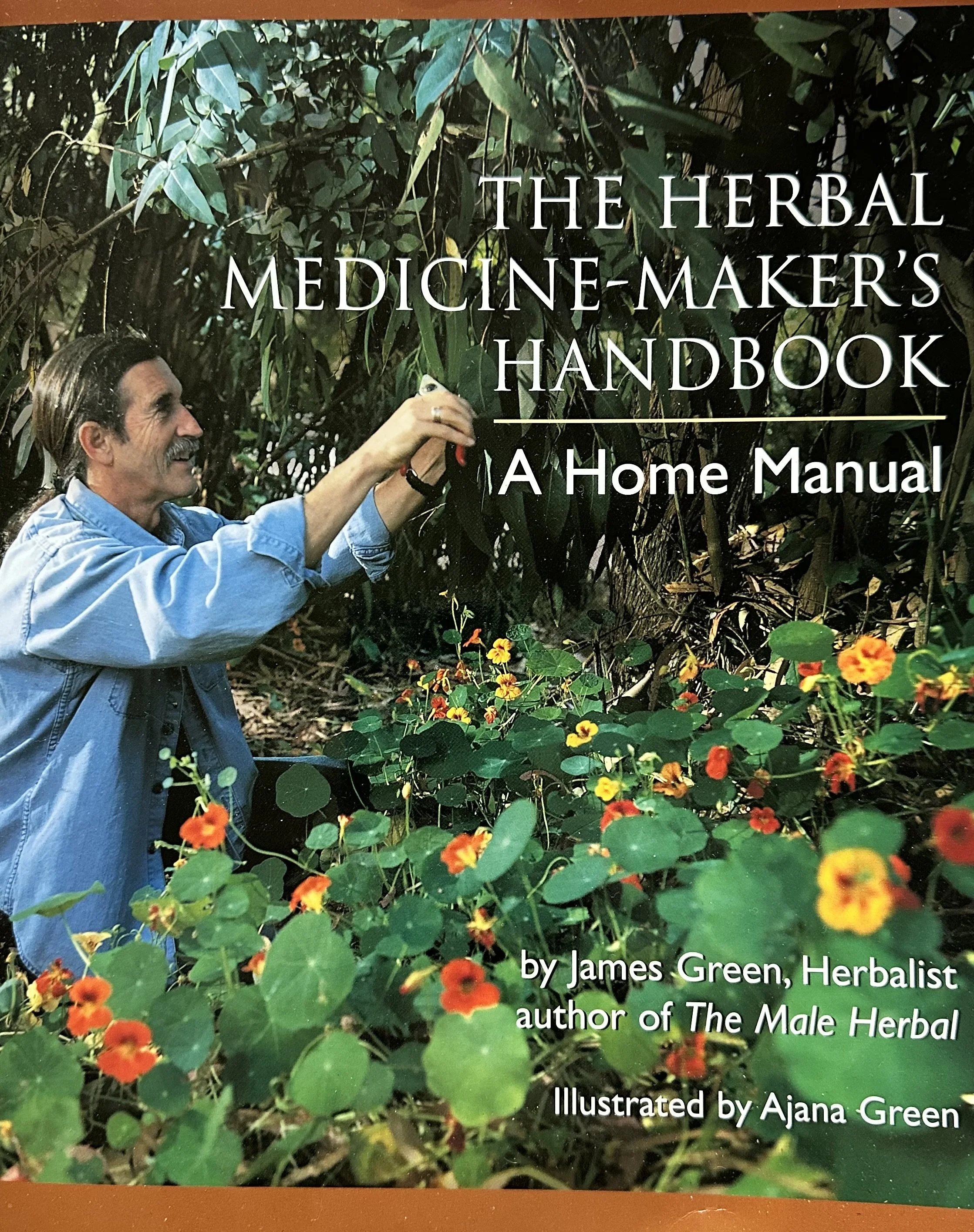
One of the best references I’ve found for making herbal medicine.
Not every ingredient in my garden apothecary would be as bountiful as the roses that explode here in late spring. We would remove the blooms almost as soon as they opened, so our 3-year old David Austin roses wouldn’t fall over due to their own weight. I would make LOTS of hydrosol. I gave it out as gifts. It makes a great skin toner, and my auntie tells me she even uses it on her hair. My complexion saw marked reduction in redness and I use it regularly. With all this bounty, however, I needed to find other ways to use it. I also infused oils with the rose petals but I found them to be easily overpowered by other scents like lavender or even the base oils or butters. I’m currently trying to craft up some skin care using my floral hydrosols. Making lotions has probably been my biggest challenge so far. I learned the hard way why you should always buy refined shea butter, not unrefined. Unrefined butters are supposed to have more nutrients and benefits, but the smell of unrefined shea is awful. It takes a massive amount of lavender to mask it. Mango butter is not much better. Cocoa butter is divine, but so expensive! So far I’ve avoided using preservatives and emulsifiers because I feel adding these “chemicals” defeats the point of natural skincare. I became increasingly aware of the chemicals in everyday products and wanted to minimize my family's exposure to unnecessary toxins. However, once you add water to a product, you introduce the possibility of contamination from mold and bacteria. Without a preservative, even in the refrigerator, it won’t last more than a week. Safety requires finding some natural alternatives… I think the rest of my lotion crafting story is best left to a later blog post - I’m still working on it after all! In the meantime, I’m open to suggestions anyone has on what to use for natural emulsifiers and preservatives. Until then!This page includes affiliate links. If you click on a link and make a purchase, I may make a small commission, which help keep this blog running.
